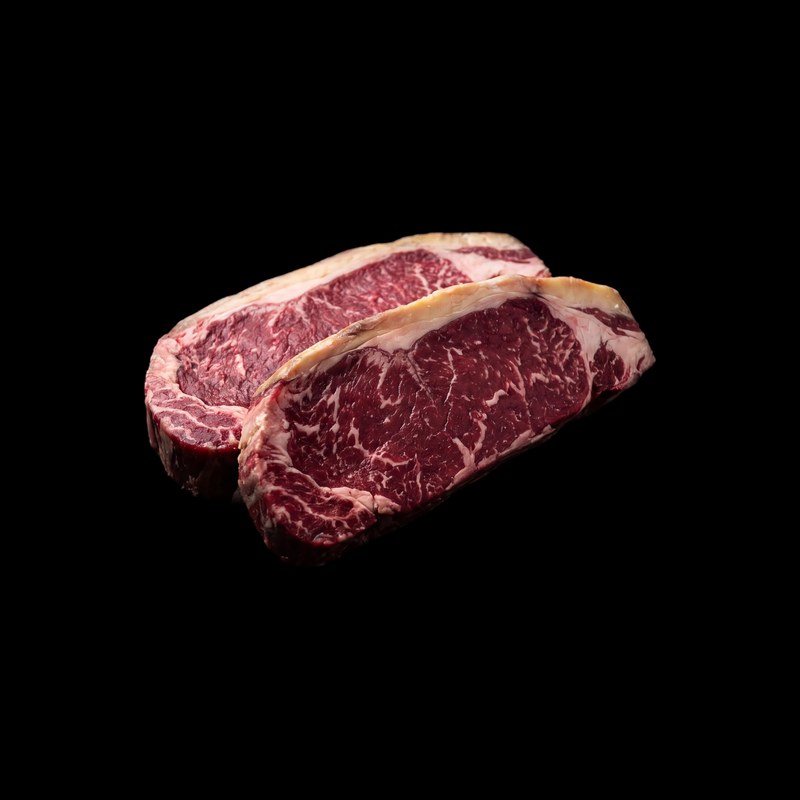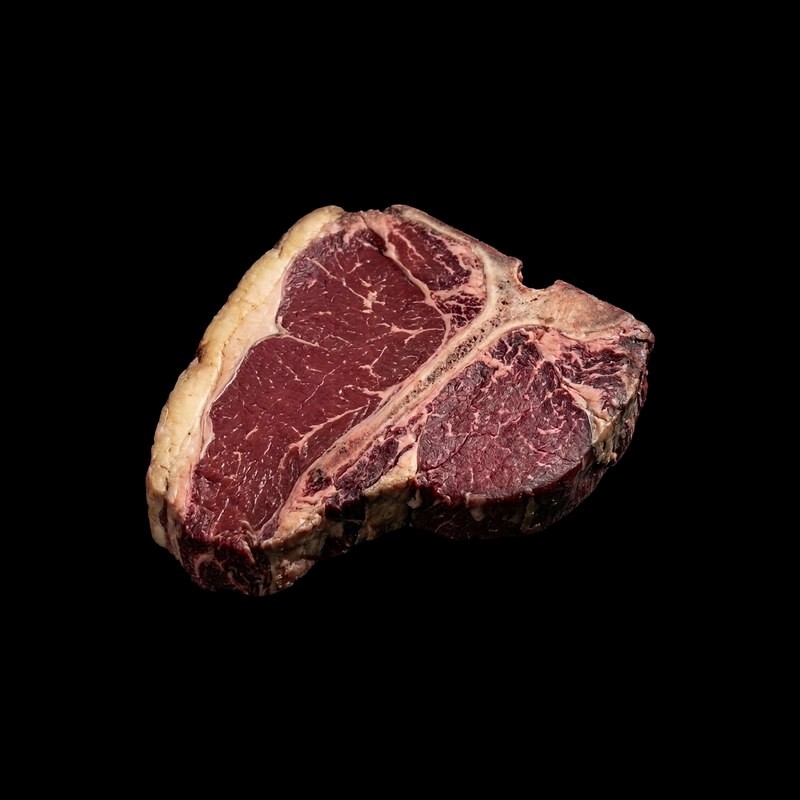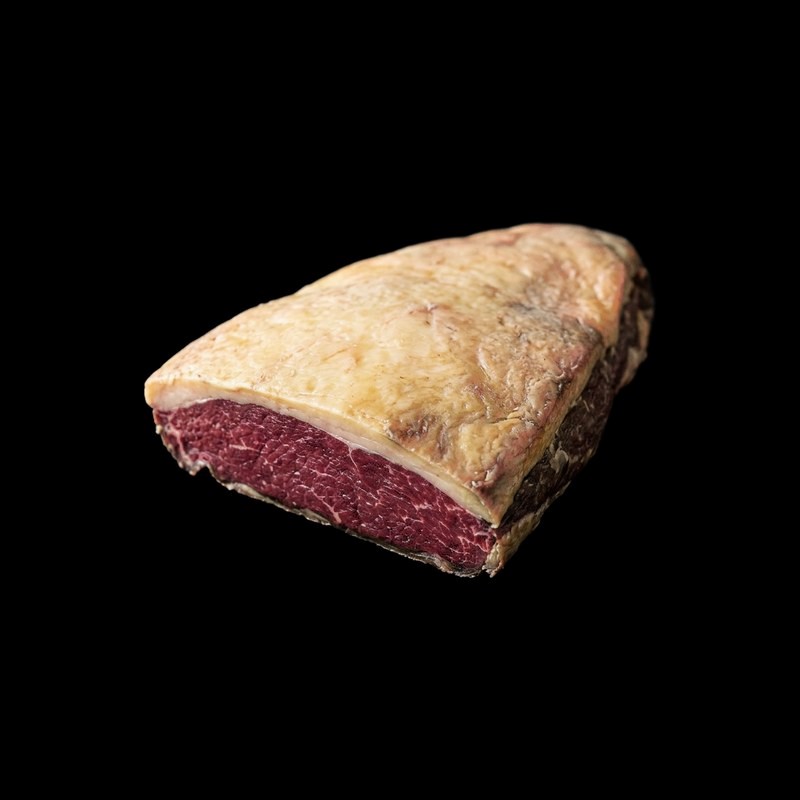
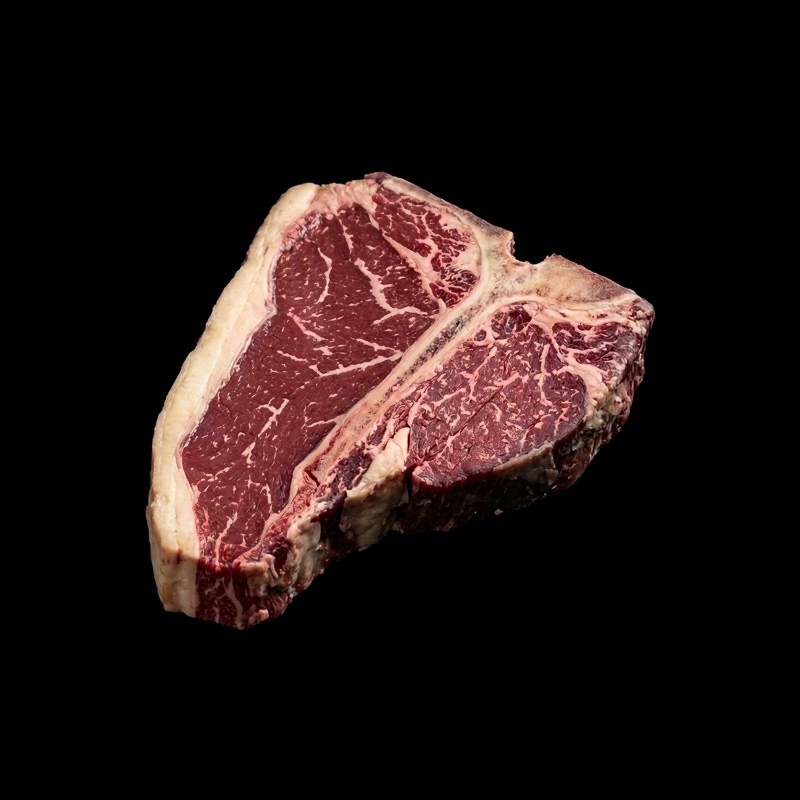
Dry-aged T-bone steak
Beef · Short loin
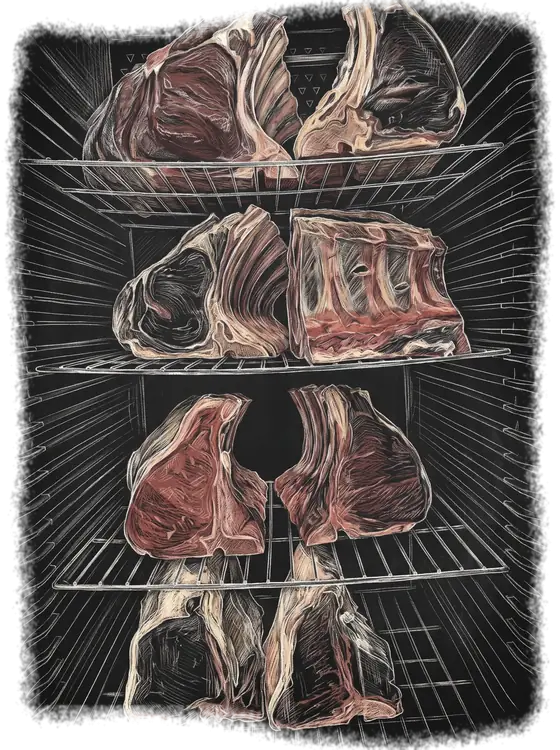
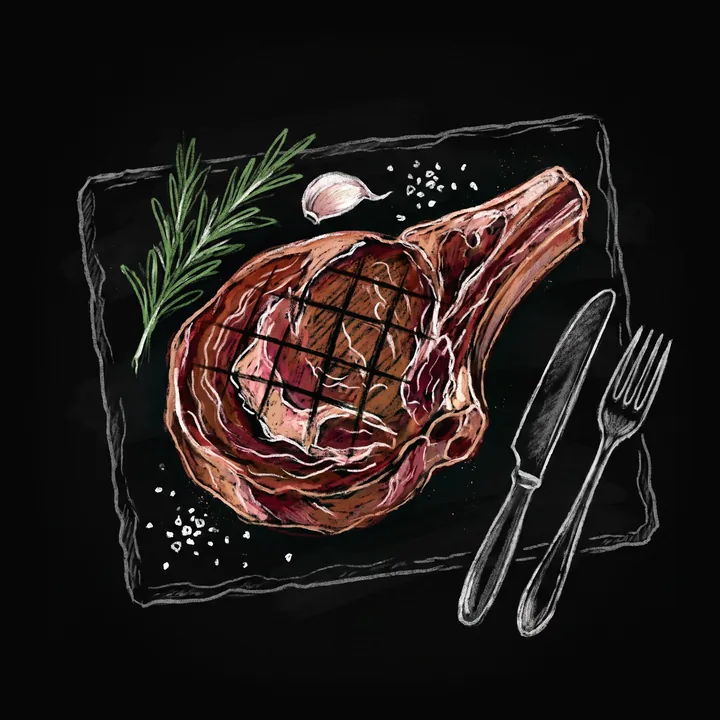
A T-bone steak, dry-aged: the fillet and the striploin on one bone. Reverse sear it.
- Cut
- T-bone, about 800 g to 1 kg
- Best for
- Reverse sear
Ordering on the site is coming soon. For now, call us or come to the counter. 02 6090 256
How to cook itReverse sear
Cooking
Grill · pan-sear
We give prices at the counter. Ask about this cut 02 6090 256
How to cook dry-aged T-bone steak
Reverse sear
A T-bone is two cuts in one: the fillet and the striploin. It can be a bit harder to cook, because the temperature we want for the fillet is lower than the striploin’s. If it is thick, we suggest reverse sear first, then pan sear, or the grill with a hot spot and a colder one.
In the oven, then the pan
Reverse sear it in the oven at 90–100 °C, until the centre reaches the first temperature in the table.
Pat the surface dry.
Put it in a hot pan to build the sear and the Maillard reaction.
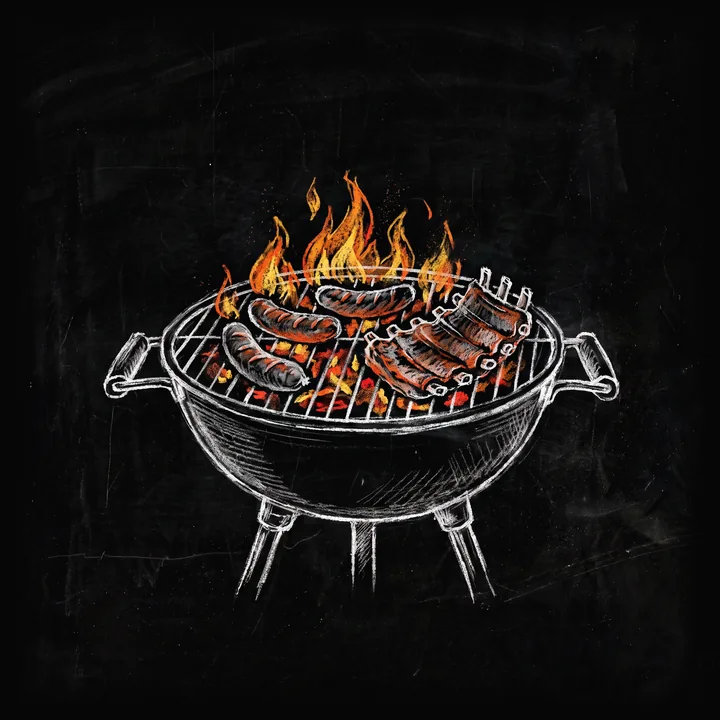
On the grill
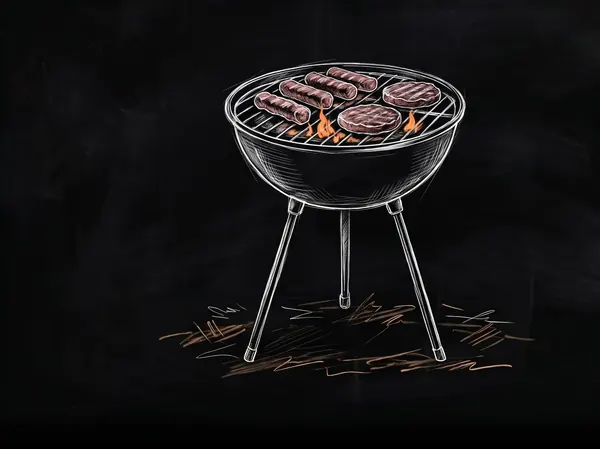
Make two zones on the grill: one hot, one colder.
Sear it on the hot side.
Move it to the colder side to finish cooking.
Temperature
| Doneness | Oven: pull at | Pan or grill: pull at | Final, after resting |
|---|---|---|---|
| Rare | 46 °C | 48–50 °C | 52 °C |
| Medium-rare | 50 °C | 52–54 °C | 56 °C |
| Medium | 54 °C | 56–58 °C | 60 °C |
| Medium-well | 59 °C | 61–63 °C | 65 °C |
| Well done | 65 °C | 67–69 °C | 71 °C |
The meat keeps rising 2–8 °C after it leaves the heat, more in a thick cut. Rest it 5–10 minutes.
The official safe minimum for whole cuts is 63 °C with a 3-minute rest. Steaks are commonly served below it; mince, burgers and tied roasts never.